A Monogram: Elegant Simplicity for Small Business Branding
First Impression: Timeless, Refined, and Ready for Commerce
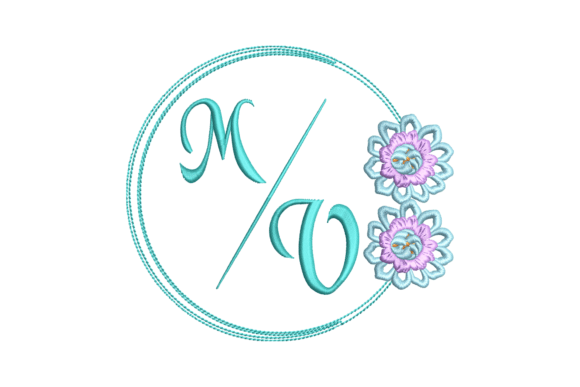
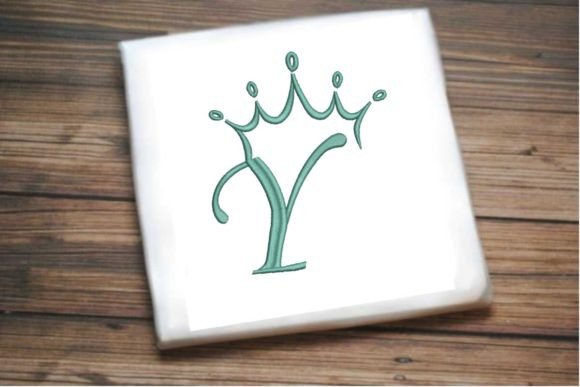
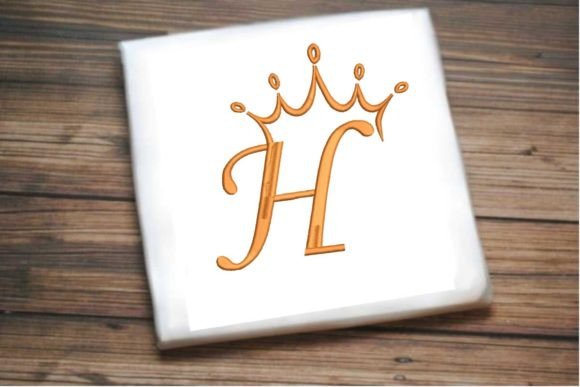
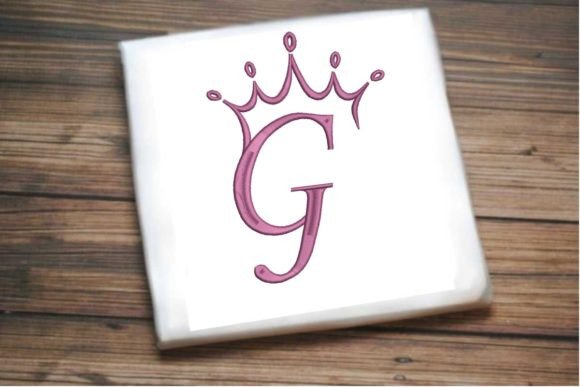
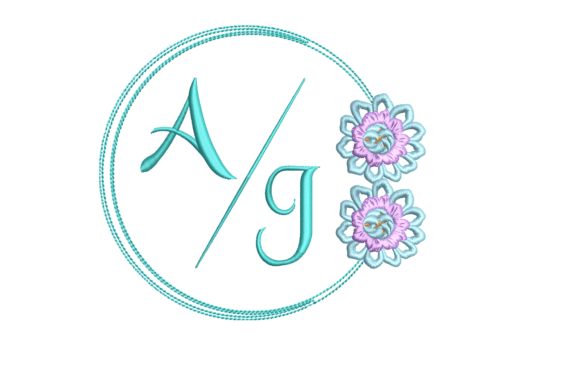
As an embroidery designer who’s digitized and stitched thousands of logos for small businesses—from neighborhood bakeries to boutique florists—I immediately recognize A Monogram as a design that leans into quiet confidence. Its title suggests intentionality; its description—“an art form that can elevate any fabric, adding a touch of elegance and charm”—confirms it’s built for impact, not just ornamentation. It reads as classic rather than trendy, elegant without being stiff, and versatile without sacrificing personality. That balance is rare—and invaluable—for small business merch.
Real-World Performance Across Merchandise Types
A Monogram shines where subtlety meets recognition: on staff aprons at a craft coffee roastery, embroidered patches sewn onto tote bags for a local florist’s customer loyalty program, or as a refined chest accent on linen shirts for a handmade ceramics studio. Its strength lies in adaptability—not flashiness.
- Embroidered patches: Clean outlines and balanced negative space mean A Monogram holds up beautifully when heat-sewn or sewn onto denim jackets, canvas totes, or woven labels—even at 2”–3” sizes.
- Cap embroidery: As a front-panel monogram (not a full logo), it avoids crowding the curve of a structured cap crown. Its elegance reads clearly without excessive stitch density.
- Apron & uniform accents: On cotton or linen aprons, A Monogram reinforces craftsmanship and care—ideal for artisanal food brands, salons, or creative studios wanting a signature mark that feels intentional, not generic.
- Tote bag design & product packaging: When stitched onto natural-fiber totes or stitched onto fabric tags for handmade soap or candle packaging, it signals premium attention to detail—without competing with product photography or typography.
- Commercial embroidery projects: For Etsy sellers offering custom apparel or crafters bundling branded merch with physical products, A Monogram serves as a consistent visual anchor across multiple SKUs.
Where to Use A Monogram Thoughtfully
Even elegant designs have limits—and knowing them prevents costly re-runs. Because A Monogram is rooted in refinement (not bold graphic simplification), proceed with extra care in these scenarios:
- Small patch sizes under 1.5”: Fine details or tight letter spacing may blur. Always test stitch a 1.25” version before bulk production.
- Cap fronts with high curvature: Digitizing must account for stretch and distortion—confirm the file includes underlay and pull compensation, especially if using satin stitch borders.
- Textured or napped fabrics: Linen’s slubs or terry cloth’s pile can obscure delicate line work. A slightly heavier outline or adjusted stitch angle often helps—test on real fabric first.
- Dark uniforms or frequent-wash items: High contrast thread colors (e.g., cream on charcoal, navy on ecru) improve longevity and legibility. Avoid pale pastels on darks unless thread quality and stabilizer are top-tier.
- High-stitch-density areas: While A Monogram sounds minimal, check whether its “elegance” relies on fine fill stitches or dense satin columns—both increase wear risk on high-friction zones like sleeve cuffs or bag handles.
How A Monogram Strengthens Brand Identity
For small businesses, consistency isn’t about repetition—it’s about resonance. A Monogram doesn’t shout; it invites closer look. That makes it powerful for brands that prioritize authenticity over virality: a pet wellness brand stitching it onto bandanas, a wedding-focused boutique using it across bridal party robes and gift boxes, or a ceramicist branding her studio aprons and workshop towels. Customers subconsciously associate its restraint with care, quality, and intention—traits that build trust faster than flashy graphics.
Used alongside other design assets (like a simple wordmark or icon), A Monogram becomes a visual shorthand—reinforcing professionalism without redundancy. On Etsy listings, it elevates perceived value; on printed mockups, it adds tactile credibility before the first stitch. And because it’s inherently tied to personalization (monograms imply individuality), it subtly reinforces the handmade product experience—even when applied at scale.
Practical Designer Notes Before You Stitch
Before sending A Monogram to your machine or client’s embroiderer, run this quick checklist:
- Test in black and white first: Print or view the digital embroidery file in grayscale—does the shape read clearly without color crutches?
- Verify small-size legibility: Zoom out to 25%—can you still distinguish letterforms and spacing? If not, simplify or adjust kerning digitally.
- Review thread color contrast: Especially on textured or dark fabrics. Swatch actual threads—not just screen previews.
- Inspect spacing and stitch direction: Tight curves or overlapping letters need proper underlay and stitch walk—don’t assume the file is optimized for all hoop sizes.
- Confirm hoop size compatibility: Does the design fit comfortably within standard 4x4 or 5x7 hoops? Oversized versions may require re-hooping, increasing labor costs.
- Test on real fabric + stabilizer: Cotton behaves differently than linen; knit blends shift more than wovens. Always stitch a sample with your exact substrate and backing.
- Create a printable mockup: Present it alongside your brand palette and typography—does it harmonize visually, or compete?
- Compare beside existing design assets: Does A Monogram feel like part of the same family as your logo, social icons, or packaging?
- Confirm commercial licensing: Since this is intended for small business merch and branded patch use, ensure the digital embroidery file permits commercial embroidery and resale of finished products. When in doubt, contact the seller directly.
Final Thought: Elegance Is a Strategic Choice
In a market flooded with loud, scalable logos, A Monogram stands out by choosing restraint. It’s not just a Wedding Monogram—it’s a flexible, dignified tool for any small business building identity through texture, touch, and tradition. Whether stitched on a barista’s apron or a florist’s reusable bouquet wrap, it whispers quality—and customers remember how something made them feel far longer than they recall what it said. That’s the quiet power of thoughtful embroidery. Use it well.