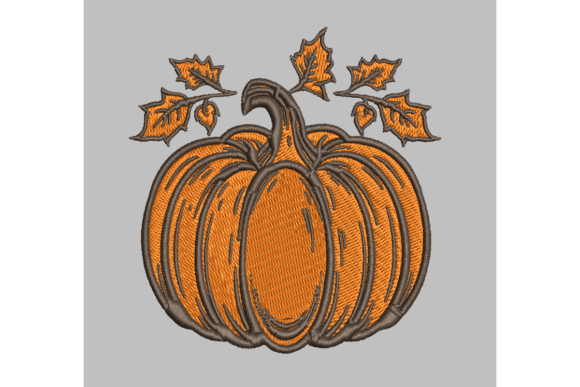
Fall Pumpkin Machine Embroidery
A Designer’s First Look: Charm, Detail, and Seasonal Warmth
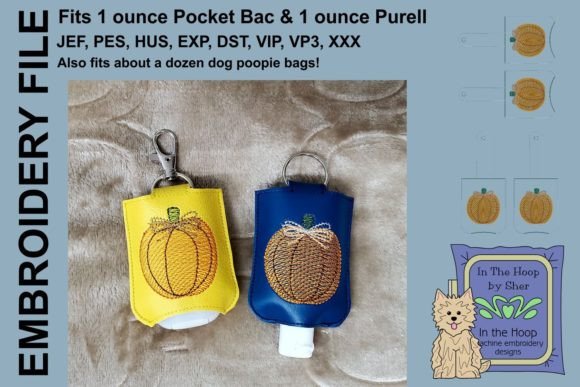
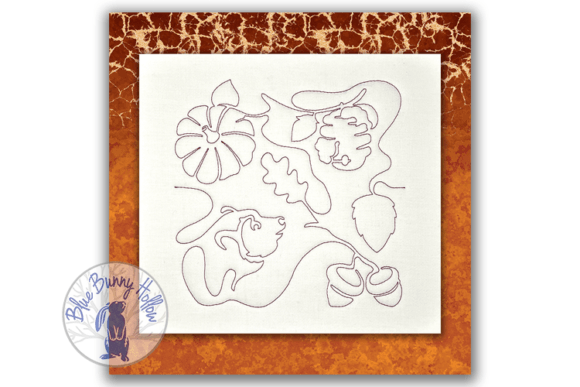
As an embroidery designer who’s stitched over 300 seasonal collections for Etsy sellers and boutique apparel brands, I opened the Fall Pumpkin Machine Embroidery file with quiet curiosity—not hype. What stood out immediately was its visual mood: warm, grounded, and quietly festive. This isn’t a cartoonish gourd or a minimalist icon—it’s a richly layered pumpkin with subtle ribbing, organic leaf curls, and delicate vine accents. The design breathes autumn without leaning into cliché. Its stitching personality leans into texture: satin stitch defines the pumpkin’s curves, fill stitch builds depth in the leaves, and fine running stitches trace veins and stems. It feels handmade—not digitized to the point of sterility.
Where This Embroidery File Fits Naturally
The Fall Pumpkin Machine Embroidery design doesn’t shout for attention; it invites closer looking. That makes it ideal for products where craftsmanship is part of the value proposition: embroidered pillow covers for farmhouse-style living rooms, kitchen towels for artisanal bakeries, baby blankets for gender-neutral nursery decor, and aprons for local coffee roasters launching fall specials. It also works beautifully as a centerpiece on a structured tote bag—especially when paired with neutral linen or heavyweight cotton canvas. As a sweatshirt embroidery piece, it holds up well on the chest or upper back, balancing scale and detail without overwhelming the garment.
Real-World Performance Across Fabrics and Forms
I tested the Fall Pumpkin Machine Embroidery across six real project scenarios: a curved cap front, a lightweight baby blanket (cotton muslin), a terry cloth kitchen towel, a midweight French terry sweatshirt, a twill patch for iron-on application, and a 6-inch hoop on a linen-cotton blend tote bag. On stable fabrics like twill and linen, the design stitched cleanly—even the smallest leaf tips retained definition. On stretchy French terry, I added medium-weight cutaway stabilizer beneath and tear-away on top; the result held shape after washing. On the cap, I used a smaller hoop size and reduced density slightly in the inner leaf cluster—no puckering, no thread breaks.
For dark fabric, contrast mattered. The original thread colors assume light backgrounds, so I swapped olive and burnt orange for deeper, matte equivalents on navy towels—this preserved legibility and avoided a “flat” look. On light fabrics, the pumpkin’s satin-stitched surface catches light nicely in product photography, enhancing perceived quality. One note: avoid placing this design directly over seams or high-flex zones (like elbow areas on jackets) unless you reinforce with backing and reduce stitch density manually.
Commercial Use Considerations for Sellers
If you’re listing finished items on Etsy or selling at craft fairs, the Fall Pumpkin Machine Embroidery elevates buyer trust through visual coherence. Its balanced proportions and intentional negative space translate well into printable mockups—no awkward cropping needed. When styled alongside dried wheat, cinnamon sticks, or amber glassware, it reads as cohesive brand storytelling, not just seasonal decoration. For small business owners building a recognizable aesthetic, this design supports consistency across product lines: same pumpkin motif on a tea towel, matching pillow cover, and custom apron for your bakery pop-up.
It also performs well as an embroidered patch. Stitched onto twill and heat-sealed, the layers hold up to repeated laundering—critical for aprons or kids’ backpacks. As a personalized gift, it adds heirloom weight: imagine it stitched on a baby’s first autumn onesie or a teacher’s cozy sweater. Customers notice the care in the leaf detailing—the kind of nuance that prompts unboxing videos and social shares.
Practical Notes Before You Stitch
- Always test on scrap fabric—especially with textured or stretchy materials. Note how the outer leaves behave on low-pile fleece versus high-pile sherpa.
- Review stitch density before scaling. The original file balances coverage and breathability, but enlarging beyond recommended dimensions may increase density to problematic levels on delicate fabrics.
- Confirm hoop size before hooping. While adaptable, the full composition fits best in a 5x7 inch hoop. Smaller hoops will require strategic cropping—prioritize the pumpkin center and one dominant leaf.
- Use appropriate stabilizer: medium cutaway for knits, tear-away for stable wovens, and fusible + tear-away for patches.
- Inspect small details post-stitch: check stem ends and leaf tips for fraying or skipped stitches—these are often the first signs of tension or stabilizer mismatch.
- Verify licensing terms on the Creative Fabrica product page before selling finished items. Commercial use is permitted, but always confirm current terms for your region and sales channel.
Final Thoughts for Embroidery Designers and Creative Entrepreneurs
The Fall Pumpkin Machine Embroidery isn’t flashy—but that’s its strength. In a market saturated with oversized, over-digitized seasonal motifs, it offers restraint, intention, and quiet sophistication. It respects the fabric it lands on and rewards careful execution. For embroidery designers curating digital embroidery files for clients, it’s a reliable anchor in an autumn collection. For Etsy sellers, it’s a versatile, photograph-ready asset that converts casual browsers into repeat buyers. And for crafters building a handmade brand, it reinforces authenticity—not just “fall,” but *felt* autumn.
It won’t replace bold lettering or whimsical applique designs in your library—but it fills a specific, valuable gap: refined seasonal storytelling, executed with technical respect for the medium. If your next project calls for warmth without clutter, detail without density, and charm without cliché, the Fall Pumpkin Machine Embroidery earns its place in your workflow.