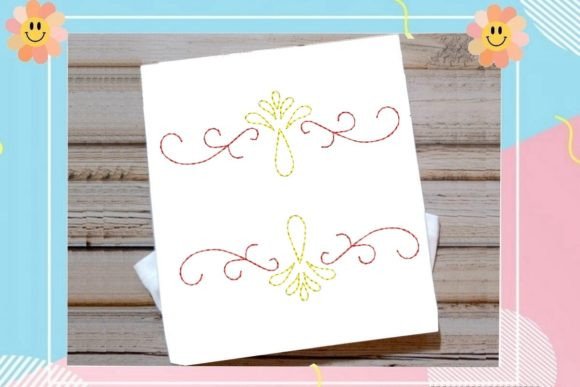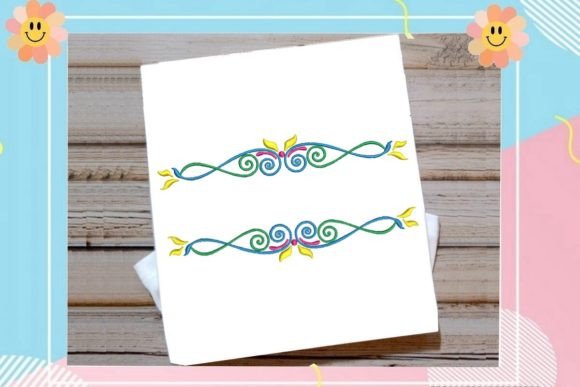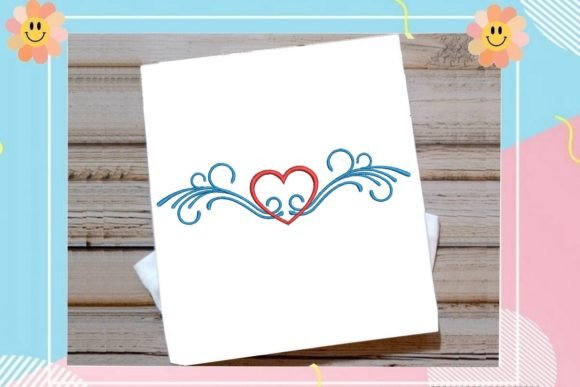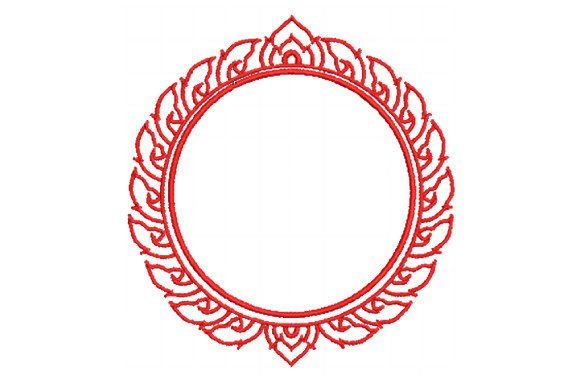
Artistic Border: A Thoughtful Embroidery Design for Meaningful Gifts
As an embroidery designer who’s developed over 200 machine embroidery designs for small shops, Etsy sellers, and boutique gift studios, I test every new border with one question in mind: Will this make a customer pause, smile, and say, “Yes — that’s the one”? When I opened Artistic Border, I felt that quiet spark right away. It’s not flashy or loud — it’s confident, graceful, and quietly expressive. The mood is elegant yet approachable; the charm lies in its balanced rhythm and hand-drawn sensibility. It feels handmade without sacrificing precision — romantic but never saccharine, modern but never cold. This isn’t just another decorative frame. It’s a storytelling device stitched in thread.
For baby embroidery, Artistic Border shines on heirloom-quality blankets, nursery pillow covers, and soft cotton swaddles. Its gentle curves and organic spacing avoid overwhelming delicate fabrics or tiny proportions. On a cream muslin baby blanket, it frames a monogram with warmth and reverence — no harsh lines, no visual clutter. For wedding gifts, it elevates simple linen napkins, keepsake handkerchiefs, or custom tote bags carried down the aisle. I stitched it onto a folded ivory tea towel with pale blush thread, and the result read as timeless — not trendy, not dated, but deeply personal. That emotional resonance is rare in a borders category design, and it’s exactly what makes Artistic Border stand out for handmade product creators.
Where else does it land beautifully? Think kitchen towels embroidered with a family name, aprons for bakers or new homeowners, lightweight cotton tote bags for baby showers, and nursery wall hangings on stretched canvas. As a pillow cover accent, it adds structure without stiffness — especially when paired with textured linen or chambray. For craft fairs and Etsy listings, Artistic Border supports strong visual hierarchy: use it to frame a short quote, a single initial, or even a tiny floral motif. Its consistent width and clean outer edge mean your printable mockup will translate reliably into the finished product — critical when customers order based on digital previews alone.
That said, thoughtful placement matters. Avoid using Artistic Border on heavily textured fabric like terry cloth bath towels unless you’ve tested stabilizer combinations thoroughly — the loops can swallow fine details. Similarly, steer clear of tight curves (like rounded mug cozies) or stretchy baby onesies where tension shifts mid-stitch. On dark fabric, confirm your thread colors provide enough contrast — subtle metallics or pastels may vanish without a white underlay or adjusted stitch density. And while it performs well on stable cottons and linens, skip it for ultra-thin voile or loosely woven gauze without additional tear-away support.
One of the quiet strengths of Artistic Border is how it boosts perceived value. Customers don’t just see stitching — they sense intention. That refined line quality tells them this isn’t mass-produced. It signals care, craftsmanship, and attention to detail — all vital for building trust with buyers of personalized gifts. In product photography, it creates natural framing that draws the eye inward, making monograms or names pop without competing. For Etsy sellers, that means higher engagement, longer dwell time, and stronger conversion from listing to cart. For wedding gift designers, it quietly reinforces sentiment — this isn’t just embroidery; it’s legacy-making.
Before stitching your first customer order, run these practical checks:
- Test on scrap fabric that matches your intended product — same weight, weave, and stretch.
- Confirm hoop size compatibility; borders like Artistic Border often require larger hoops (5x7" minimum), so verify your machine’s capacity.
- Review stitch density — too dense on lightweight fabric causes puckering; too sparse on thick towels lacks definition.
- Choose stabilizer wisely: cutaway for knits and stretchy items, tear-away for stable wovens, and heavy-duty for dense terry.
- Compare light and dark fabric mockups — adjust thread colors and underlay settings accordingly.
- Inspect small details post-stitch: check for skipped stitches in inner flourishes or thin connecting stems.
- Verify commercial licensing before selling finished products — if you’re an Etsy seller or small shop owner, confirm the digital embroidery file includes permission for resale of physical items.
For baby product creators, remember: safety and durability matter. If stitching for infant items, avoid raised elements or loose threads — Artistic Border’s flat, continuous flow works well here, but always trim tails securely and inspect for snag points. Wedding gift designers should consider how the border interacts with formal typography — pair it with classic serif fonts for invitations or minimalist sans-serifs for modern vows. And for custom order previews, use Artistic Border in your digital mockup tools to show clients exactly how their name or date will sit within the frame — clarity builds confidence and reduces revision requests.
In a market flooded with generic scrollwork and overused motifs, Artistic Border offers something refreshingly human: elegance with ease, detail with restraint, and versatility without compromise. It doesn’t shout — it invites. Whether you're embroidering a kitchen towel for a housewarming, a blanket for a newborn, or a keepsake for a vow renewal, this design helps you deliver more than a product. You deliver meaning, memory, and quiet beauty — all in one cohesive, stitch-perfect line.
If you’re evaluating Artistic Border for your small shop product line, your next craft fair booth, or your Etsy embroidery collection, trust your instinct — but back it up with testing. Let the design speak through your work, not over it. Because the best personalized gifts don’t just look handmade — they feel that way, down to the last carefully placed stitch.