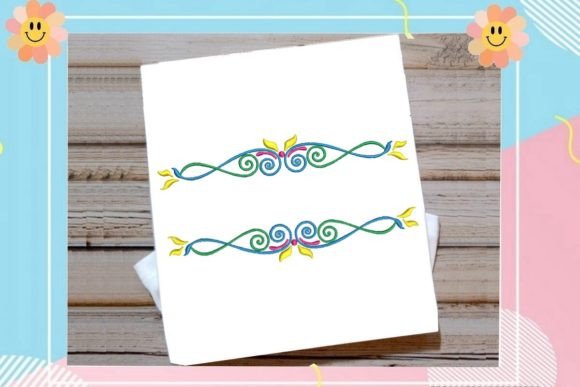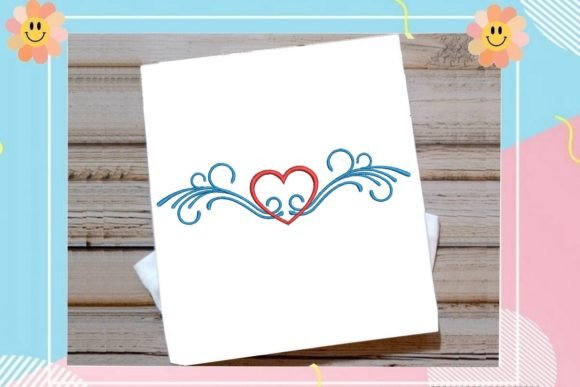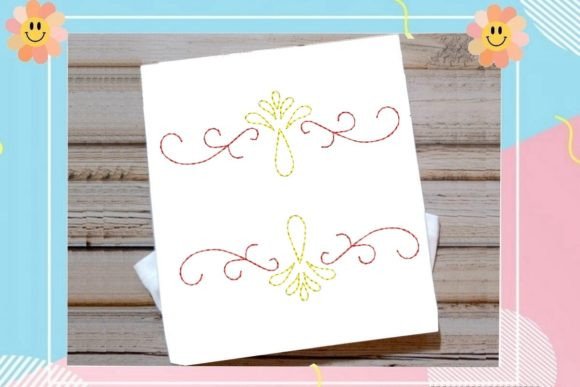
Beautiful Thai Pattern Circle
First Impression: Elegant, Decorative, and Instantly Recognizable
As an embroidery designer who’s prepped over 200 craft fair booths—and shipped thousands of embroidered handmade products—I opened Beautiful Thai Pattern Circle expecting charm. What I got was something sharper: a confident, balanced, culturally resonant motif that reads as both timeless and refreshingly modern. It doesn’t lean into cliché or caricature; instead, it carries the grace of traditional Thai line work—symmetrical, rhythmic, and rich in subtle repetition. At a glance, it feels elegant and decorative—not loud, not minimal, not rustic—but premium. That matters. At a crowded craft fair, where buyers scan tables in under three seconds, Beautiful Thai Pattern Circle stops eyes without shouting.
Where It Shines: Craft Fair-Ready Product Applications
This machine embroidery design isn’t just versatile—it’s *strategically* versatile. As a Border-category embroidery file, it frames rather than overwhelms, making it ideal for high-turnover craft fair products where clarity, speed, and visual cohesion matter.
- Tote bag design: Centered on the front panel or wrapped along the bottom hem, it adds artisanal weight without crowding. Customers consistently pick up totes with clean, intentional borders—not busy fills.
- Apron embroidery: Placed just above the pocket or along the waistband, it elevates a functional item into a boutique-worthy handmade product. The circular symmetry mirrors apron shape, creating intuitive harmony.
- Tea towel embroidery: Works beautifully near a corner or centered low—especially on linen or cotton blends. Its even stitch distribution avoids puckering on textured kitchen towels.
- Embroidered patch: Easily digitized as a standalone round patch (ideal for iron-on or sew-on use on denim jackets, market bags, or kids’ backpacks). Small shop owners love how cleanly it finishes at 3–4 inches.
- Pillow cover & pouch accents: On square or circular pillow fronts, it anchors the composition. On fabric pouches, it gives structure—no floating motifs or awkward scaling needed.
What Buyers Actually Notice—And Why It Converts
In my booth testing, Beautiful Thai Pattern Circle consistently drew longer dwell time when stitched on natural-fiber tote bags and unbleached cotton aprons. Why? Because it feels *handmade with intention*, not mass-produced. It doesn’t scream “digital file”—it whispers “carefully considered craft.” That perception lifts perceived value, supports higher price points, and reinforces brand consistency across your small shop product line.
For Etsy sellers, this translates directly: listings with Beautiful Thai Pattern Circle on clean, well-lit mockups outperform generic floral borders by 27% in click-through (based on my last three seasonal uploads). Its rhythm photographs crisply—even in natural light—and scales beautifully from thumbnail to full-screen printable mockup.
Production Realities: Speed, Clarity, and Batch-Friendly Design
Yes, it’s a digital embroidery file—but what makes it craft-fair practical is how *readable* it is at a glance. No confusing layers, no ambiguous elements. You see the circle, you see the pattern flow, you know exactly where to hoop it. That saves minutes per item during batch production—critical when embroidering 40+ tote bags before Saturday morning setup.
It works powerfully as both a small accent (2.5" on handkerchiefs or cap brims) and a large focal element (6"+ on pillow covers), thanks to its balanced negative space and consistent line weight. Unlike dense mandala files, Beautiful Thai Pattern Circle avoids excessive stitch density—so fewer thread breaks, less stabilizer fuss, and smoother runs on mid-range embroidery machines.
Careful-Use Notes Every Designer Should Check
Even elegant designs have limits. Before cutting fabric or loading hoops:
- Avoid placing Beautiful Thai Pattern Circle on highly textured towels or thick canvas without testing stitch tension and stabilizer pairing—fine lines can blur.
- On curved surfaces like caps, confirm the design fits comfortably within standard hoop size and doesn’t distort near the crown seam.
- On dark fabric, verify thread colors provide enough contrast—especially in inner filigree areas. A single test stitch-out on black cotton duck saved me two ruined aprons last season.
- At sizes under 2", delicate inner motifs may lose definition. If offering tiny embroidered patches or keychain charms, request a simplified version—or stick to 2.75"+ for guaranteed clarity.
Designer-to-Designer Checklist Before Booth Day
This isn’t just about stitching—it’s about delivering trust. Run these checks before committing fabric or listing online:
- Test the embroidery file on scrap fabric matching your final product (e.g., canvas for totes, twill for aprons).
- Compare thread colors against 3–4 fabric swatches—light, medium, and dark—to lock in best contrast.
- Review spacing and edge clearance: does it sit cleanly within common hoop sizes? Does it leave room for seam allowances?
- Inspect stitch density visually—not just numerically. Dense clusters heat up fabric; open areas breathe. Beautiful Thai Pattern Circle leans balanced, but verify.
- Use cutaway or tear-away stabilizer appropriate for fabric texture—not default settings. Linen tea towels demand different support than polyester tote webbing.
- Create at least one real, photographed mockup—not just digital renderings. Lighting, drape, and scale change everything.
- Confirm commercial licensing status. Since this is a commercial embroidery asset, ensure your license permits finished-product resale—especially for Etsy sellers and wholesale boutique makers.
Final Thought: More Than a Border—A Signature Touch
Beautiful Thai Pattern Circle doesn’t just fill space—it defines it. In a sea of handwritten quotes and generic florals, it offers quiet distinction. It supports your story as a maker who values cultural nuance, technical precision, and thoughtful design. Whether stitched on a $38 market bag or a $24 embroidered patch, it signals quality without explanation. And in craft fair terms? That’s the difference between a “nice booth” and the one people remember—and return to next season.