Emma Halloween Embroidery Design Review
First Impression: Playful Charm Meets Professional Polish
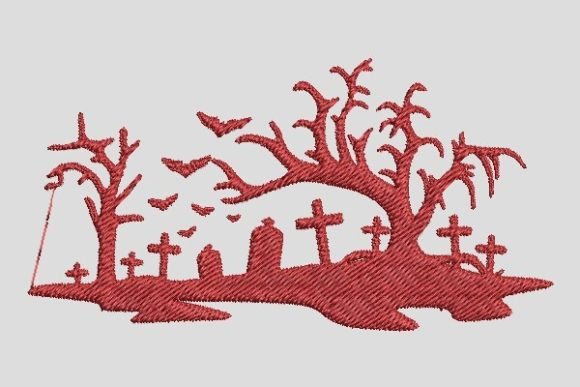
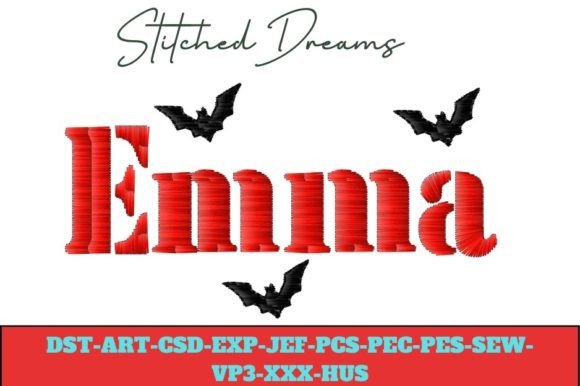
As an embroidery designer who’s digitized and stitched over 2,000 commercial designs for small businesses—from indie bakeries to pet boutiques—I opened Emma Halloween expecting seasonal whimsy. What I found was something more valuable: a cohesive, brand-ready machine embroidery design that balances playful energy with clean execution. The “Frills” descriptor isn’t just decorative—it signals intentional texture, gentle movement, and layered visual interest without visual noise. For a Bugs-themed embroidery file, it avoids cliché (no cartoonish spiders or exaggerated antennae) and instead leans into charm, softness, and subtle storytelling—ideal for businesses that want Halloween spirit without sacrificing sophistication.
Real-World Business Use: Where Emma Halloween Shines
Emma Halloween performs exceptionally well across high-impact small business merch applications:
- Embroidered patches: Its balanced proportions and clear focal point make it ideal for 2.5"–3.5" woven or chenille-style patches—perfect for attaching to aprons, tote bags, or staff jackets.
- Apron embroidery: Positioned on the chest or lower pocket, the frilled silhouette reads clearly at medium scale and reinforces a handmade, welcoming brand identity—think florists, craft studios, or neighborhood cafés offering seasonal specials.
- Cap embroidery: On structured front panels, the design holds its shape without overcrowding. Its vertical orientation and moderate width avoid distortion on curved surfaces when digitized with proper underlay.
- Tote bag design: Stitched on natural canvas or cotton duck, Emma Halloween adds boutique-level distinction—especially effective for limited-edition holiday packaging or customer thank-you gifts.
- Custom apparel accents: As a sleeve detail on work shirts or a back-collar accent on boutique tees, it elevates perceived product value while keeping branding approachable and inclusive.
For Etsy sellers and handmade brands, this digital embroidery file supports consistent visual language across physical products and printable mockups—helping customers instantly recognize seasonal collections and reinforcing trust through repeatable quality.
Where to Use Emma Halloween Thoughtfully
Even strong designs require context-aware application. Here’s where extra attention is needed:
- Small patch sizes (under 2"): Fine frill details may compress or blur. Always test stitch a 1.75" version before bulk production.
- Dark uniforms or textured fabric: High stitch density in frilled areas can mute contrast. Recommend testing thread colors against actual garment swatches—not just on-screen previews.
- Frequent-wash items (e.g., café aprons, bakery towels): Confirm stabilizer pairing—lightweight cutaway works best for durability without stiffness.
- Curved surfaces like cap fronts: Ensure your embroidery file includes proper push/pull compensation; if not included, request a revised version from the seller.
- Product packaging accents: Avoid placing near seams or folds where tension could distort delicate outlines during stitching or wear.
Brand Identity & Customer Perception: More Than Just a Holiday Graphic
Small businesses don’t just sell products—they sell feeling. Emma Halloween strengthens brand identity by delivering warmth, intentionality, and seasonal relevance without leaning into kitsch. When customers see it on a florist’s tote or a pet brand’s bandana, it signals care in curation—not just calendar-based decoration. That nuance builds recognition and professionalism, especially for creative studios or local shops aiming to stand out in saturated markets.
Importantly, it supports visual consistency across touchpoints: same design used as a chest logo on staff uniforms, a patch on retail packaging, and a subtle accent on gift tags creates cohesion that feels intentional—not piecemeal. For handmade product lines, that consistency directly translates to higher perceived value and stronger buyer engagement. Customers remember how a brand *feels*, and Emma Halloween delivers that feeling reliably.
Practical Embroidery Designer Notes for Small Business Owners
Before you order thread or book hoop time, run these checks:
- Test in black and white first: Print a grayscale version to verify contrast and legibility—especially important for dark garments.
- Verify small-patch viability: Resize the embroidery file to your target patch dimensions and inspect spacing between frills and main motif. Tight crowding = skipped stitches.
- Review thread color contrast: Don’t assume “black thread on navy” will read clearly—test on actual fabric. Consider matte or tonal threads for premium texture.
- Confirm hoop size compatibility: If using multi-position hoops or automated machines, ensure the design fits within your standard hoop without re-hooping mid-stitch.
- Test on real fabric: A 3"x3" swatch of your final garment material reveals how stabilizer choice affects drape, sheen, and frill definition.
- Create a client-facing mockup: Use your Emma Halloween digital embroidery file in a printable mockup before committing to production—this prevents costly revisions and builds client confidence.
- Compare alongside existing design assets: Does Emma Halloween visually harmonize with your current logo, typography, and other embroidery files? Consistency matters more than novelty.
- Confirm commercial licensing: Since this is for small business merch, branded patches, and resale items, double-check that your purchase includes full commercial embroidery rights. Not all digital embroidery file sellers offer this by default.
Remember: A great Emma Halloween doesn’t just look festive—it works quietly, consistently, and professionally across every surface your brand touches. Whether you’re embroidering for a single pop-up event or launching a full seasonal collection, treat this design as a strategic asset—not just seasonal decor. It’s the kind of Embroidery file that earns repeat orders, referrals, and long-term brand loyalty.