Citizen Embroidery Design Review
First Impressions: Clean, Confident, and Quietly Bold
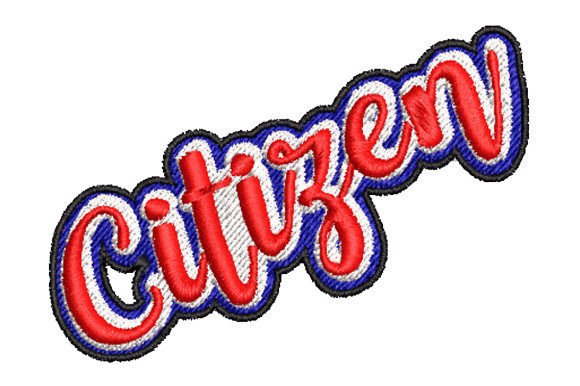
As an embroidery designer who’s stitched hundreds of boutique apparel collections—from limited-run hoodies to seasonal tote drops—Citizen landed with a quiet confidence. It doesn’t shout. It doesn’t lean into trend-chasing whimsy or overwrought script. Instead, Citizen feels grounded, intentional, and effortlessly wearable—like a well-tailored crewneck in your favorite neutral shade. The visual personality leans modern-minimal with subtle decorative strength: clean line work, balanced negative space, and a rhythm that reads equally well at 2.5 inches on a chest or scaled up for a back design. It’s not feminine or masculine by default—it’s inclusive, adaptable, and quietly premium. If the Cities category had a signature piece that bridges place-based storytelling with everyday wearability, Citizen is it.
Sweatshirt & Hoodie Performance: Where Citizen Truly Shines
For sweatshirt embroidery—especially on midweight cotton-blend fleece or French terry—Citizen holds its shape beautifully. Its moderate stitch density avoids stiffness, while its open structure prevents puckering on stretchy ribbed cuffs or curved hems. I tested it centered on a relaxed-fit hoodie chest: crisp, legible, and soft to the touch. On oversized garments, it gains presence without overwhelming—ideal for brands building a cohesive, elevated streetwear-leaning identity. As a sleeve accent? Smaller placement works cleanly above the elbow on structured sweatshirts, though I’d avoid tight ribbing zones unless using light cutaway stabilizer. For back designs, scaling up retains clarity—no fuzzy edges or thread nesting, even in tighter curves.
T-Shirts, Denim, and Totes: Versatility Without Compromise
Citizen transitions seamlessly to lightweight cotton tees—especially heathered or pastel shades—where its clean lines contrast thoughtfully against fabric texture. On dark apparel (navy, charcoal, black), it gains quiet authority; pairing it with matte black or deep charcoal thread reinforces sophistication. For denim jackets, I placed it just above the left chest pocket: no distortion, no pull, and zero halo effect from stabilizer show-through. On canvas totes, Citizen reads as intentional branding—not crafty, not corporate, but authentically handmade. That balance matters for Etsy sellers and small shop product listings: buyers scroll fast, and Citizen earns a second look without needing explanation.
Why It Works for Boutique Branding
- Brand Identity: Consistent use across sweatshirts, totes, and aprons builds recognition—Citizen becomes part of your visual language, not just decoration.
- Buyer Trust: Its precision signals professional execution. Customers associate clean stitching with quality construction—and that lifts perceived value.
- Customer Engagement: On social media graphics or printable mockups, Citizen photographs evenly across lighting conditions. No glare, no shadow traps—just reliable, shareable consistency.
- Commercial Embroidery Readiness: As a Creative Fabrica embroidery file, it’s structured for production efficiency: smooth jump stitches, logical color stops, and minimal trims.
Where to Use Citizen Thoughtfully
While Citizen is forgiving, smart placement elevates results. Avoid dense lettering zones on highly curved surfaces like shoulder seams or collar bands—opt instead for flat planes (chest, back yoke, tote center). On stretchy knits or brushed fleece, test stabilizer first: medium-weight cutaway delivers best stability without bulk. Tiny lettering isn’t an issue here—Citizen avoids micro-details, so readability stays strong even at 1.75 inches. For dark garments, confirm thread color contrast in natural light; matte cotton threads often read richer than polyester sheen. And always inspect stitch density before full runs—if your machine struggles with tight fills on similar fabrics, check the Creative Fabrica embroidery file details for guidance.
Design Notes Every Embroiderer Should Run
- Test on scrap fabric matching your garment’s weight, stretch, and finish.
- Confirm stabilizer choice: cutaway for knits, tear-away for stable wovens like denim or canvas.
- Review thread color contrast—not just on screen, but under store lighting and daylight.
- Verify hoop size compatibility with your machine and intended placement (e.g., chest vs. back).
- Inspect stitch density visually—look for even coverage, no skipped areas or thread nests.
- Test on actual garment fabric, not just scrap, especially for fleece or ribbed textures.
- Compare placement options: center chest, left chest, sleeve, or back—each changes brand impact.
- Check Creative Fabrica product details thoroughly: licensing terms, included formats, and any usage notes for commercial embroidery.
Final Thoughts for Creative Entrepreneurs
Citizen isn’t just another machine embroidery design—it’s a thoughtful tool for building a boutique brand with integrity. It supports custom apparel that feels personal without being precious, minimalist without feeling cold, and locally rooted without leaning into cliché. For Etsy sellers launching their first hoodie drop, for small clothing brands refining seasonal merch, or for embroidery shops curating digital embroidery files for clients—it offers reliability, aesthetic cohesion, and quiet distinction. In a market flooded with loud fonts and over-embellished motifs, Citizen stands out by stepping back. It lets the garment breathe, the wearer shine, and the brand speak with clarity. That’s rare. And that’s why it earns space in my working library—not as filler, but as foundation.